
Immunotherapy
Immunotherapy is changing cancer care by using the power of your immune system.
For more than two decades, our medical oncologists have helped advance immunotherapy. Today, we offer this innovative treatment as an established part of care and through clinical trials.
Connect with our patient access center. We can help you find the care you need.
954-265-4325 Our ProvidersWhat Is Immunotherapy?
Your immune system defends against many diseases, but cancer can find ways to avoid it. Immunotherapy changes how your immune system works to help it better recognize and fight cancer cells. It differs from chemotherapy, which directly attacks rapidly dividing cells — including both cancer and healthy cells. Learn more about the differences between immunotherapy and chemotherapy.
What Immunotherapy Medicines Does Memorial Healthcare System Offer?
There are many types of immunotherapies, and each works differently. At Memorial, you have access to a broad range of immunotherapies, including:
Antibodies are proteins that attach to foreign cells to help your immune system identify and destroy foreign substances. Antibodies used to treat cancer are made in a lab and designed to recognize specific targets, usually on cancer cells.
- Monoclonal antibodies are a common type of antibody therapy. Some help your immune system find and attack cancer cells. Others act as targeted therapies and interfere with cancer cell growth.
- Immune checkpoint inhibitors are monoclonal antibodies that block proteins called checkpoints. Checkpoints act as brakes that keep your immune system from harming your own cells, but cancer can use them to evade attack. Blocking the checkpoints can help your immune system work better against cancer.
- Bispecific antibodies are another type of antibody therapy designed to attach to two different targets at once. Some bind to both cancer cells and immune cells, making it easier for the immune cell to fight the cancer cell.
Cellular therapies use your own immune cells to help identify and destroy cancer cells. They're most often a treatment for blood cancers.
Chimeric antigen receptor (CAR) T-cell therapy is a common type of cellular therapy. It involves:
- Collecting T cells from your blood
- Modifying them in a lab to recognize and attack cancer cells
- Giving them back to you through an infusion
Cancer vaccines train your immune system to recognize specific features of cancer cells. When used in cancer treatment, they trigger an immune response against a specific cancer.
Oncolytic virus therapy uses modified viruses to target cancer cells. The virus is delivered directly into a tumor, where it infects and destroys cancer cells. As the cells break apart, they release cancer-specific proteins that help stimulate an immune response against the cancer.
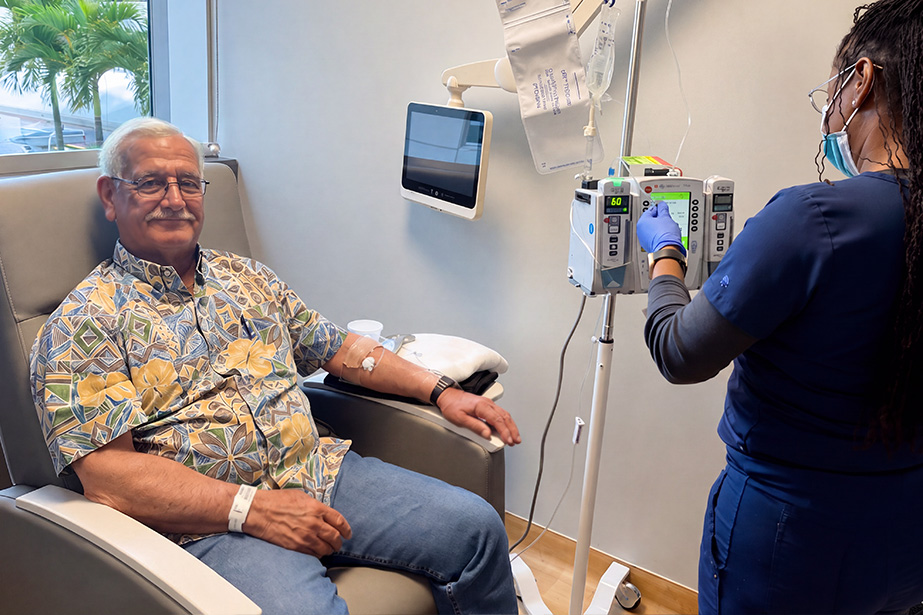
Immunotherapy Gave Jeff His Life Back
Jeff was diagnosed with melanoma that eventually spread to his lungs and liver. After 10 years of immunotherapy treatment, he's cancer-free.
Our Approach to Immunotherapy
Your doctor may recommend immunotherapy as your first cancer treatment or later in your care. You may receive it alone or combined with treatments, such as chemotherapy, targeted therapy, radiation therapy or surgery.
Your care team considers many factors when determining if immunotherapy is right for you, including the cancer type and stage, your overall health and previous treatments. For some cancers, testing for certain tumor characteristics can also help guide treatment.
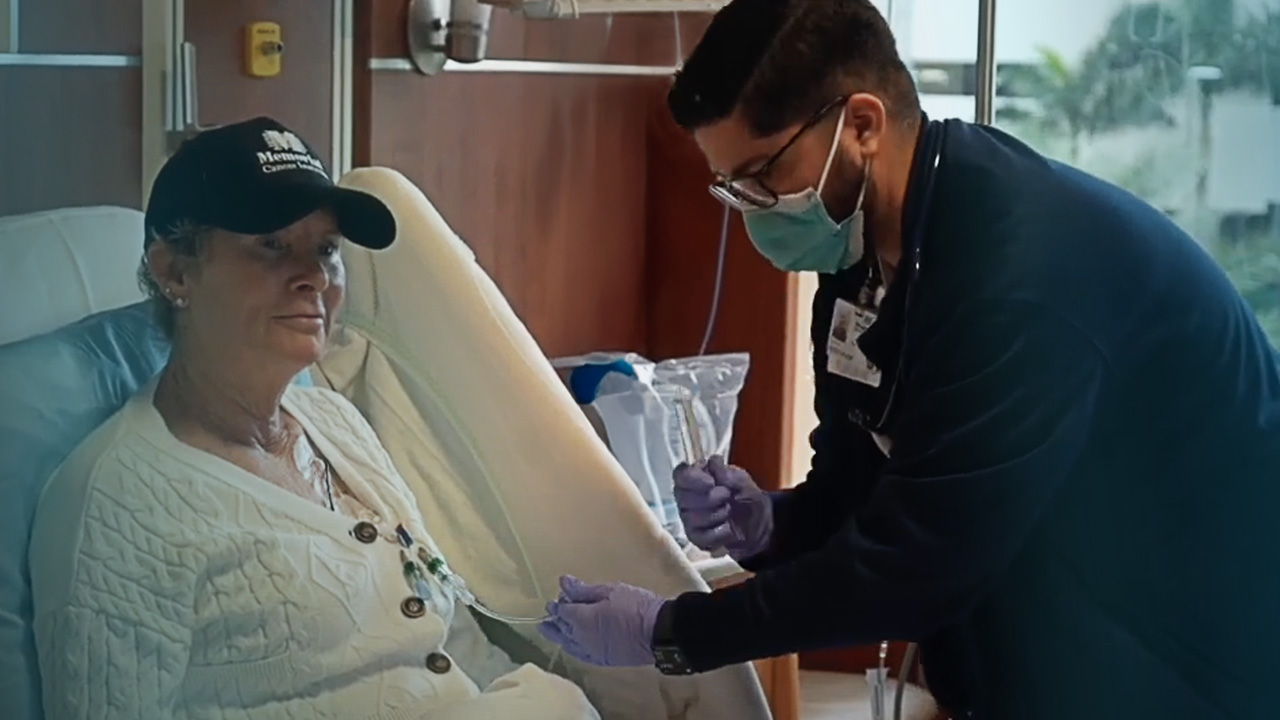
Immunotherapy medications are usually given by infusion or injection. Memorial's infusion centers are staffed by skilled, compassionate nurses and provide a comfortable environment to receive treatment.
Cancers We Treat Using Immunotherapy
The field of immunotherapy is advancing quickly, and researchers are continually looking for new ways to expand its use. We currently use immunotherapy to treat both blood cancers and solid tumors, including certain types of:
- Breast cancer
- Bladder cancer
- Gastrointestinal cancers
- Gynecologic cancers
- Head and neck cancers
- Kidney cancer
- Leukemia, lymphoma and multiple myeloma
- Liver cancer
- Lung cancer
- Melanoma
Immunotherapy Side Effects
Immunotherapy side effects vary depending on the type of treatment you receive. They occur when the immunotherapy medication causes your immune system to attack healthy tissues, including the:
- Colon
- Heart
- Kidneys
- Liver
- Lungs
- Nervous system
- Skin
- Thyroid gland, pituitary gland and other endocrine organs
Most side effects can be successfully managed, but some can be serious. They may occur during treatment or even after treatment ends. Early detection is essential. Your care team closely monitors you and lets you know what symptoms to look for and who to call if you experience them. At Memorial, we also provide comprehensive support services to care for the whole you during cancer treatment.
Clinical Trials
Clinical research plays an important role in advancing cancer care. A clinical trial may provide access to an innovative therapy while helping us improve treatment for future patients. Clinical trials may be an option at any stage of cancer care, from initial treatment to advanced disease and survivorship.
Memorial offers a wide range of immunotherapy clinical trials. If you're eligible for a trial, your care team will let you know, but your participation is always optional. To help you decide, we walk you through the potential benefits, risks and alternatives. Find out more about participating in an immunotherapy clinical trial.
How Effective Is Immunotherapy?
Immunotherapy has transformed the treatment of many cancers, and some patients experience long-lasting disease control. But not every cancer responds. Even among people with the same cancer type, one patient may have excellent results while another does not. Understanding why some cancers respond and others don’t is one of the major areas of cancer research.

After Melanoma Spread, Immunotherapy Saved Mary’s Life
Mary had melanoma that had spread to her brain. She participated in an early clinical trial for immunotherapy and today shows no signs of cancer.
Why Choose Memorial Healthcare System for Immunotherapy?
- Leading expertise: You receive care from medical oncologists who are at the forefront of their field and are training the next generation of experts.
- Multidisciplinary team: Cancer doctors, pharmacists, nurses and other specialists work together to determine if immunotherapy is right for you and manage your care.
- Personalized approach: Our team provides detailed education to help you recognize side effects early and get prompt treatment when needed.
- Access to clinical trials: We offer many clinical trials. If you're eligible for a trial, we’ll let you know and give you the information you need to decide whether to enroll.
Connect with our patient access center. We can help you find the care you need.
954-265-4325



Related Providers
-


 Carlos Carracedo Uribe, MD Hematology & Oncology
-
 Shivani Dalal, MD Hematology & Oncology
-
 Gelenis Domingo, MD Hematology & Oncology
-
 Jesus C. Fabregas, MD, MPH Hematology & Oncology
-
 Pablo Ferraro, MD Hematology & Oncology
-
 Teresita Gonzalez, MD Hematology & Oncology
-
 Daren Grosman, MD Hematology & Oncology
-
 Atif Hussein, MD Hematology & Oncology
-
 Manuel Martinez, MD Hematology & Oncology
-
 Meri Mehta, MD Hematology & Oncology
-
 Brian Pico, MD Hematology & Oncology
-
 Luis Raez, MD Hematology & Oncology
-
 Patrick Reynolds, MD Palliative Care, Hematology & Oncology
-
 Daniel Rosas, MD Hematology & Oncology
-
 Matthew Salzberg, MD Hematology & Oncology
-
 Michel Vulfovich, MD Hematology & Oncology
-
 Frederick Wittlin, MD Hematology & Oncology
-
 Jennifer Zikria, MD Hematology & Oncology